
Your Cooling System Survived Summer. Now Make Sure It Can Take Fall.
September 10, 2026
Balloon Fiesta Traffic Is a Brake Test: Get Your Car Ready for Fiesta Week
October 2, 2026
Every fluid in your vehicle just worked a brutal summer shift. Oil ran thin in the heat, coolant fought triple-digit pavement temperatures, and brake and transmission fluids cycled hotter than any other season asks of them. Fall is when those fluids either get refreshed or get exposed, because cold weather is hard on tired fluids in ways summer never was. Think of September as the fluid reset month, and here is exactly what to reset.
- Heat degrades every major fluid, and the wear is invisible until cold weather makes thick, dirty, or water-contaminated fluids fail
- Four fluids carry the load: engine oil, coolant, brake fluid, and transmission fluid, and each has its own fall logic
- One service visit covers the full reset, and it is among the cheapest preventive work a vehicle can get
Why Fluids Age Faster in Albuquerque
Fluids are the bloodstream of a vehicle, and heat is what ages them. At our elevation the summer sun is stronger, engine bays run hotter, and the climbs in and out of the valley load the drivetrain harder than flat-city driving. Oil oxidizes and thins under sustained heat. Coolant burns through its protective additives. Brake fluid absorbs moisture from the air all year, and transmission fluid oxidizes every time a long grade or a loaded bed pushes its temperature up.
Then the seasons flip. Cold thickens worn oil into sludge that starves the engine at startup. Aged coolant loses freeze protection. Moisture-heavy brake fluid can corrode from the inside. The summer damage was real the whole time, but fall is when it starts sending invoices.
The Four-Fluid Reset
Engine Oil: The Cold-Start Guardian
The first seconds of a cold morning start are the hardest moment in an engine’s day, and oil condition decides how they go. Fresh oil of the correct grade flows instantly to bearings and cams even at freezing temperatures. Worn oil moves like syrup, and those slow seconds add up across a winter of cold starts. If the sticker says you are due or close, take care of it in September and start the cold season clean.
Coolant: The Both-Seasons Fluid
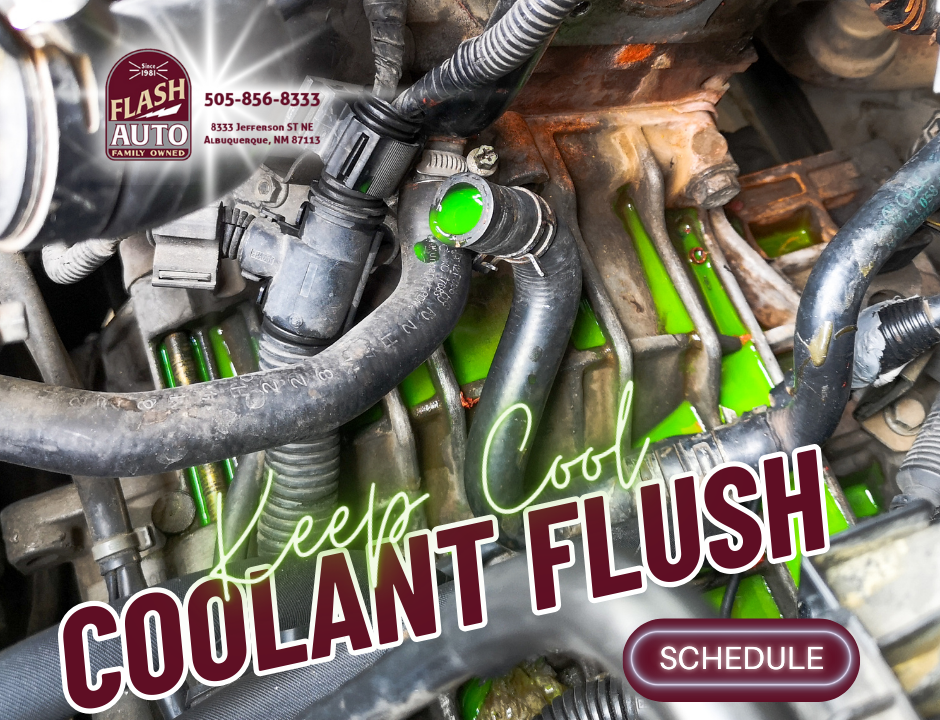
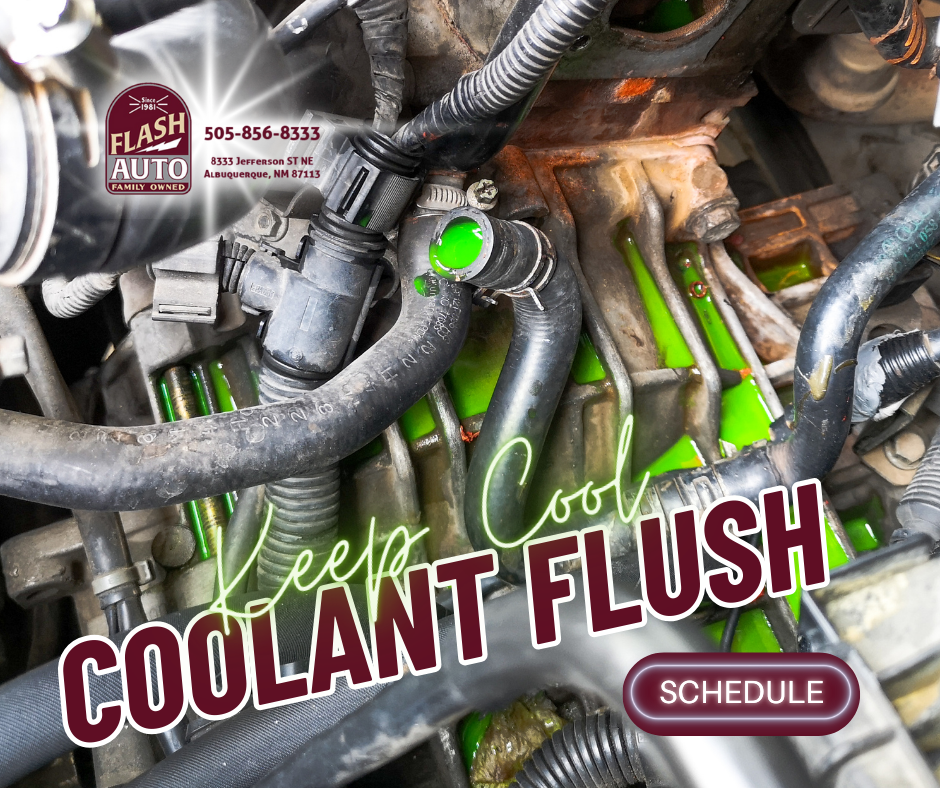
Coolant gets a full post in this series, but the fluid reset would be incomplete without it. A freeze-point and condition test confirms the system can handle the first hard frost, which typically reaches the metro by late October. Tired coolant gets a flush and fill, and the corrosion protection comes back with it.
Brake Fluid: The Quiet Moisture Problem
Brake fluid is hygroscopic, meaning it slowly pulls moisture out of the air, season after season. Water in brake fluid lowers its boiling point and corrodes lines and components from the inside. Most manufacturers recommend testing or replacing it every two to three years, and almost nobody does. A quick moisture test tells the truth, and a fluid exchange restores the safety margin your brakes were designed with.
Transmission Fluid: The Expensive One to Ignore
The transmission is often the costliest component on the vehicle, and its fluid is its only protection. Heat from summer hauling, towing, and stop-and-go oxidizes the fluid and wears out its friction additives. Dark, burnt-smelling fluid is a transmission asking for help. A fluid service now costs a small fraction of the repair it prevents, especially on vehicles that worked hard this summer.
Not sure when any of these were last done? Bring the vehicle by Flash Auto and we will check every fluid’s condition in one stop.
Symptom, Cause, and What to Do
| Fluid | Symptom | Likely Cause | What to Do |
|---|---|---|---|
| Engine oil | Dark, gritty, overdue | Heat oxidation, normal wear | Oil and filter change |
| Coolant | Rusty color, gauge creep | Additive depletion | Test, flush if tired |
| Brake fluid | Soft pedal, dark fluid | Moisture absorption | Moisture test, exchange |
| Transmission | Hard shifts, burnt smell | Heat-oxidized fluid | Fluid service |
| Washer fluid | Summer formula in reservoir | Season change | Swap to winter formula |
Two More Worth a Glance
Two smaller fluids ride along with the reset. Power steering fluid rarely gets discussed until the wheel gets heavy or whiny on cold mornings, and a condition check takes seconds while the hood is up. Differential and transfer case fluid matter for trucks and all-wheel-drive vehicles, especially any that towed or hauled through the summer, because gear oil that worked hot all season protects less in its old age. Neither needs service every year, but both belong on the fall glance list, and both are checked as part of a complete inspection.
The Case for Doing It All at Once
Fluids are checked fastest together. The vehicle is already in the bay, the levels and conditions get read in minutes, and you leave with a complete picture instead of four separate errands spread across four months. That is why the fluid reset folds neatly into a Flash Auto fall inspection, which also covers the battery, tires, brakes, belts, and lights from the full fall checklist.
Preventive fluid maintenance is a pillar of every credible vehicle safety program, including the maintenance guidance NHTSA publishes at NHTSA.gov. It is unglamorous, inexpensive, and quietly responsible for most of the difference between vehicles that last 200,000 miles and vehicles that do not.
Reset Now, Coast Through Winter
A fluid reset in September means every cold start this winter happens on fresh oil, every freeze finds protected coolant, and every stop rides on dry brake fluid. It is one appointment, and it removes an entire category of winter problems before the season starts.
Book your fluid service or full fall inspection at Flash Auto. Call 505-856-8333 or stop by 8333 Jefferson St NE. The Duke City’s cold mornings are coming, and this is the cheap way to be ready for them.
Flash Auto
8333 Jefferson St NE
Albuquerque, NM 87113
505-856-8333