

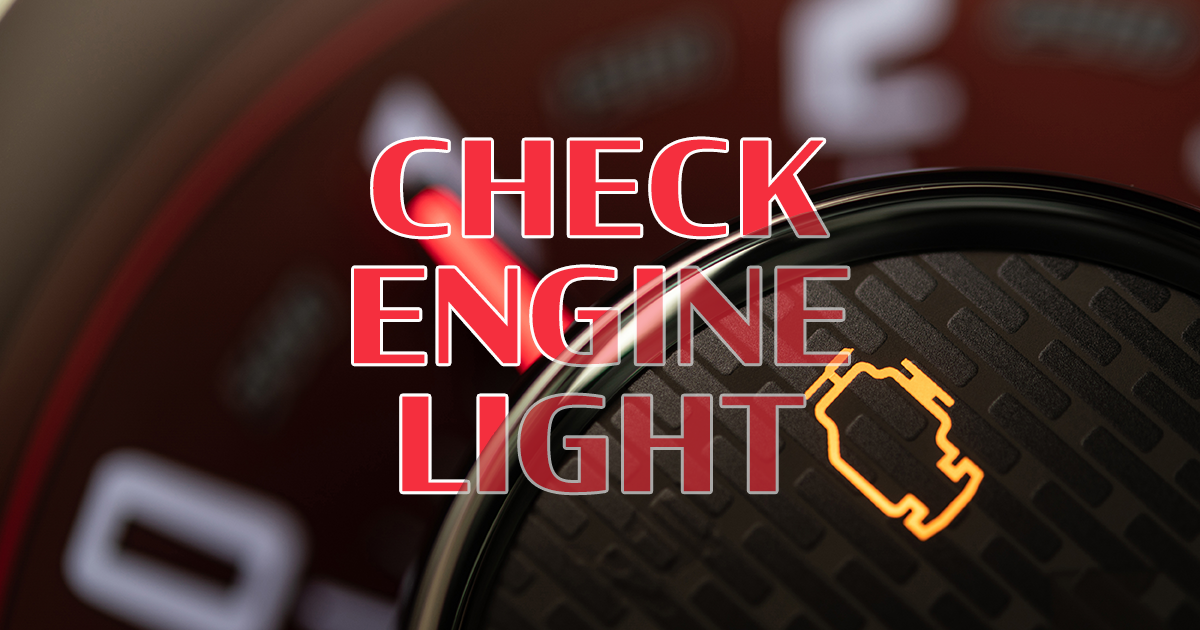
Check Engine Light On? What a Diagnostic Scan Actually Tells Us
August 15, 2026
Your Cooling System Survived Summer. Now Make Sure It Can Take Fall.
September 10, 2026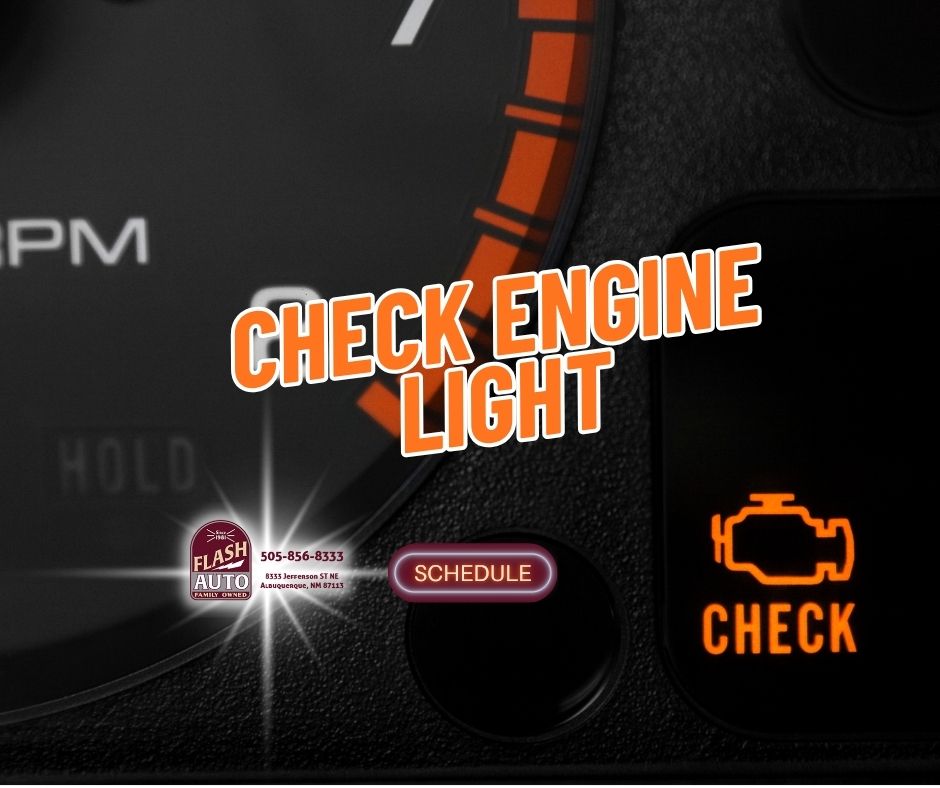
The check engine light never tells you what it wants. It just glows, and your mind fills in the worst case. Here is the reality: most check engine lights trace back to the same short list of codes, the ones that top nationwide scan data year after year, and most of them are far less serious than drivers fear. This is the honest list, with real symptoms, real causes, and the smart next step for each, so the light becomes information instead of anxiety.
- Five codes account for a large share of every check engine visit, and two of them are often minor fixes handled in a single short visit
- Ignoring a minor code is how it becomes a major one, especially with catalytic converter codes
- A proper diagnostic pinpoints the cause behind the code, so the repair fixes the actual problem instead of guessing at parts
Why Codes Repeat in the High Desert
Albuquerque driving has a signature. Summer heat bakes gaskets, hoses, and sensors. Elevation changes on I-25 and I-40 work the engine harder than flat-land commutes. Dust finds its way into everything. So the codes that top nationwide scan data show up here with the high-desert dial turned up, and any tech who works this climate learns the usual suspects fast.
That does not mean we guess. A code is a starting point, not a diagnosis. But knowing the usual suspects helps you understand how worried to be, and how quickly to act, before you ever call the shop.
The Five Codes Drivers See Most
P0455 and P0442: Evaporative System Leak
The most common cause is almost embarrassing: a loose, cracked, or missing gas cap. The EVAP system keeps fuel vapor sealed, and any small leak trips the code. Symptoms are usually nothing at all, maybe a faint fuel smell.
The fix is often as simple as the cause. Tighten the cap first and give it a few drive cycles. If the light stays on, the EVAP system needs a proper leak test to find the real opening, and that is quick work with the right equipment.
P0171: Engine Running Lean
The engine is getting too much air or too little fuel. Common culprits are a dirty mass airflow sensor, a vacuum leak from a heat-hardened hose, or a weak fuel pump. You might notice rough idle, hesitation, or a slight power loss on hills.
The fix depends entirely on the cause, which is why testing matters here: a sensor cleaning, a replaced hose, and a fuel system repair are very different jobs. Left alone, a lean engine runs hot and starts damaging parts that were perfectly healthy when the light first came on.
P0300: Random Misfire
The engine is stumbling across multiple cylinders. Worn spark plugs, tired ignition coils, or fuel delivery problems lead the list. You will usually feel this one: shaking at idle, poor acceleration, worse fuel economy.
Catch it early and this is routine maintenance territory, since plugs and coils are normal wear items. Ignore it and raw fuel starts punishing the catalytic converter, which turns a maintenance visit into a major repair.
P0420: Catalyst Efficiency Below Threshold
The catalytic converter is not cleaning exhaust the way it should. Sometimes the cause is a failing oxygen sensor reading, which is the simple version. Sometimes the converter itself is worn out, often because a misfire went unaddressed for months.
Testing tells those two stories apart, and they could hardly be more different: one is a sensor swap, the other is one of the biggest repairs on the menu. This code is the single best argument for handling small codes quickly.
P0128: Coolant Temperature Below Thermostat Range
The engine is taking too long to warm up, usually a stuck-open thermostat. Watch for a temp gauge that never reaches normal and weak cabin heat, something you will care about by late October.
The usual fix is a thermostat replacement, straightforward work that pays for itself in comfort and fuel economy, since a cold-running engine burns rich and a working thermostat is what gives you cabin heat on those late-October mornings.
What Each Code Means at a Glance
| Code | Common Symptom | Likely Cause | Typical Fix |
|---|---|---|---|
| P0455 / P0442 | None, faint fuel smell | Loose cap, EVAP leak | Tighten or replace cap, leak test |
| P0171 | Hesitation, rough idle | Dirty MAF, vacuum leak | Clean sensor or repair leak |
| P0300 | Shaking, power loss | Plugs, coils | Routine ignition service |
| P0420 | Poor economy, sulfur smell | O2 sensor or converter | Testing decides which |
| P0128 | Slow warm-up, weak heat | Stuck thermostat | Thermostat replacement |
Every fix above starts with confirming the cause, and we always explain what we found and get your go-ahead before any work begins. No surprises, no pressure.
Not sure which code you have? Swing by Flash Auto and we will pull it while you wait.
Why the Parts Store Scan Is Not the Whole Story
A free code read tells you the code. It does not tell you why the code set. P0420 with a lazy oxygen sensor and P0420 with a dead converter read identically on a basic scanner, and they lead to two completely different repairs. Professional diagnosis tests the circuits, sensors, and systems behind the code so the work goes to the actual fix, not the first guess. The Car Care Council and AAA both recommend addressing check engine lights promptly, and AAA’s guidance on warning lights is posted at AAA Exchange.
That is the entire philosophy at Flash Auto: fix the cause once, explain it in plain English, and take the guesswork out of the process entirely.
Turn the Light Into a Plan
The check engine light is your car filing a report, and most reports are manageable when they are read early. If your light is on, or it came on and went off, or it has been on so long you stopped seeing it, this is the week to get answers.
Call Flash Auto at 505-856-8333 or stop by Jefferson St NE for a diagnostic scan. Straight answers, honest verdicts, and no scare tactics. That is how the Duke City expects their car care.
Flash Auto
8333 Jefferson St NE
Albuquerque, NM 87113
505-856-8333