


What It Means to Be a Gold NAPA AutoCare Center
January 1, 2026
Diesel vs. Gas Trucks: What Your Maintenance Schedule Actually Looks Like
April 20, 2026
Essential Service Tips to Protect Your Diesel Vehicle During Seasonal Changes
As Albuquerque transitions from winter’s freezing nights to spring’s warm days, diesel truck and car owners face unique maintenance challenges. The dramatic temperature swings characteristic of New Mexico’s high desert climate (where morning temperatures can hover near freezing while afternoons reach the 70s) place exceptional demands on diesel trucks and cars and their supporting systems. Unlike gasoline vehicles, diesel trucks and cars rely on compression ignition and operate under higher pressures, making them particularly sensitive to seasonal fuel changes, fluid viscosity variations, and the stress that winter weather places on critical components.
At Flash Auto, our NAPA Gold AutoCare Center certified technicians specialize in diesel truck and car service. We understand that proper seasonal maintenance isn’t just about preventing breakdowns. It’s about optimizing performance, protecting your investment, and ensuring your diesel truck or car is ready for spring adventures, whether you’re towing to the Jemez Mountains or hauling equipment across New Mexico’s remote terrain. The winter-to-spring transition presents a critical maintenance window where proactive service can prevent costly repairs and maximize fuel efficiency as temperatures rise and driving conditions change.
Essential Winter-to-Spring Diesel Truck & Car Maintenance
- Fuel System Transition: Switch from winter-blend diesel fuel and replace fuel filters to prevent contamination and maintain optimal combustion as temperatures warm
- Fluid Viscosity Adjustment: Consider transitioning to summer-weight oil and verify coolant mixture is appropriate for year-round protection in New Mexico’s climate extremes
- Battery and Electrical Inspection: Test battery health after winter stress and inspect glow plug systems to ensure reliable cold-start capability during lingering cool mornings
- Air Filtration Upgrade: Replace air and cabin filters before spring’s dust season to protect engine performance and interior air quality
- Cooling System Service: Flush and inspect cooling system, check hoses and belts for winter damage, and ensure thermostat operates correctly as temperatures rise
- DEF System Verification: Check Diesel Exhaust Fluid levels and quality, ensuring proper operation of emissions systems for warm-weather driving
- Professional Inspection: Schedule comprehensive diesel service at Flash Auto to catch potential issues before they become expensive failures
Understanding Diesel’s Seasonal Sensitivity
Diesel trucks and cars operate fundamentally differently from gasoline vehicles, relying on compression heat rather than spark ignition. This makes them inherently more sensitive to temperature changes, fuel quality variations, and the condition of supporting systems. In New Mexico’s unique climate (characterized by high altitude, with Albuquerque sitting at 5,312 feet elevation, extreme diurnal temperature swings, and intense seasonal changes) diesel vehicle maintenance becomes even more critical.
Winter places extraordinary stress on diesel truck and car systems. Cold temperatures thicken diesel fuel, potentially causing gelling or waxing. Batteries work harder to turn over cold engines. Glow plugs face increased demand. As spring arrives and temperatures warm, different challenges emerge: fuel viscosity changes, cooling system demands increase, and the transition from winter to summer diesel blends at the pump can introduce contamination if not properly managed.
Fuel System: The Heart of Diesel Performance
Perhaps no system requires more attention during the winter-to-spring transition than your diesel truck or car’s fuel system. Throughout winter, many fuel stations blend No. 1 diesel (kerosene-based) with No. 2 diesel to prevent gelling in cold temperatures. As spring approaches, fuel suppliers transition back to straight No. 2 diesel at the pump, which offers better energy density and fuel economy but requires careful management during the changeover.
This transition period creates several potential issues for diesel trucks and cars. Residual winter additives and any water that accumulated during cold weather can contaminate fuel filters. The change in fuel chemistry can dislodge sediment and contaminants that settled during winter storage. For diesel truck and car owners, this makes spring the ideal time for fuel filter replacement, a relatively inexpensive service that prevents costly injector damage and maintains optimal combustion efficiency.
Water separation deserves special attention. Diesel fuel naturally attracts water through condensation, and winter’s freeze-thaw cycles exacerbate this issue. As temperatures warm in spring, this trapped water can cause serious damage to high-pressure fuel injection systems in modern diesel trucks and cars. Our NAPA-certified technicians drain water separators, inspect fuel filters for contamination, and ensure your fuel system transitions cleanly into warmer weather operation.
Engine Oil and Fluid Transitions
Diesel truck and car engines demand robust lubrication, and oil viscosity plays a crucial role in performance and longevity. Many diesel truck owners run thinner, winter-weight oils (like 5W-40) during cold months for easier cold starts and better flow at low temperatures. As spring arrives and temperatures stabilize, transitioning to summer-weight oil (like 15W-40) can provide better protection under the higher operating temperatures and loads typical of warm-weather driving.
However, modern synthetic oils have changed this equation somewhat. Many contemporary diesel trucks and cars use multi-grade synthetics (like 5W-40) year-round, eliminating the need for seasonal oil changes. The key is following your manufacturer’s recommendations and considering your specific driving conditions. If you tow heavy loads, drive in remote areas, or frequently operate in dusty conditions (common scenarios in New Mexico) more frequent oil analysis and changes may be warranted regardless of season.
Coolant systems also require spring attention. Verify that your coolant mixture provides adequate freeze protection for late-spring cold snaps (still common in Albuquerque through April) while offering proper corrosion protection and heat transfer capability for summer’s demands. A 50/50 antifreeze mixture typically provides protection to -34°F while preventing boiling up to 265°F, ideal for New Mexico’s temperature extremes.
Electrical Systems: Battery Health and Starting Reliability
Winter wreaks havoc on batteries in diesel trucks and cars. Cold temperatures reduce battery capacity. A battery that cranks strongly in summer may have only 40-50% of its rated capacity at 0°F. Combined with the higher amperage demands of cold-cranking a diesel engine, winter stress often reveals weak batteries that might limp through summer but fail when truly needed.
Spring provides the perfect opportunity for battery testing. Our technicians use professional load testers to measure cold cranking amps (CCA) and verify that your battery maintains adequate voltage under load. We also inspect cables and connections for corrosion, ensure proper charging system operation, and test the alternator’s ability to maintain voltage under varying loads.
Diesel glow plug systems deserve special attention. These critical components pre-heat combustion chambers for cold starting, and while spring temperatures reduce their workload, ensuring they function properly prevents starting issues during lingering cool mornings or unexpected late-season cold snaps. Failed glow plugs can cause hard starting, rough idle, and excessive white smoke, issues best addressed before they leave you stranded.
Air Filtration: Preparing for Dust Season
New Mexico’s spring brings intense winds and airborne dust, conditions that can devastate unprotected diesel truck and car engines. Diesel engines move massive volumes of air, and any contamination that bypasses the air filter can cause catastrophic turbocharger and cylinder damage. Spring marks the ideal time to install fresh engine air filters, ensuring maximum filtration efficiency before dust season peaks.
Cabin air filters, while not directly affecting engine performance, play a crucial role in driver comfort and health. Spring allergens, combined with dust and pollen, make breathing difficult for many drivers. A fresh cabin filter removes these irritants, improves HVAC efficiency, and creates a more pleasant driving environment in your diesel truck or car.
Turbocharger inspection complements air filtration service. Winter oil thickening, combined with accumulated deposits, can affect turbo bearing lubrication and performance. Our technicians inspect turbocharger operation, check for shaft play, listen for unusual noises, and verify proper boost pressure, catching potential issues before they escalate into expensive failures.
Cooling System: Managing Rising Temperatures
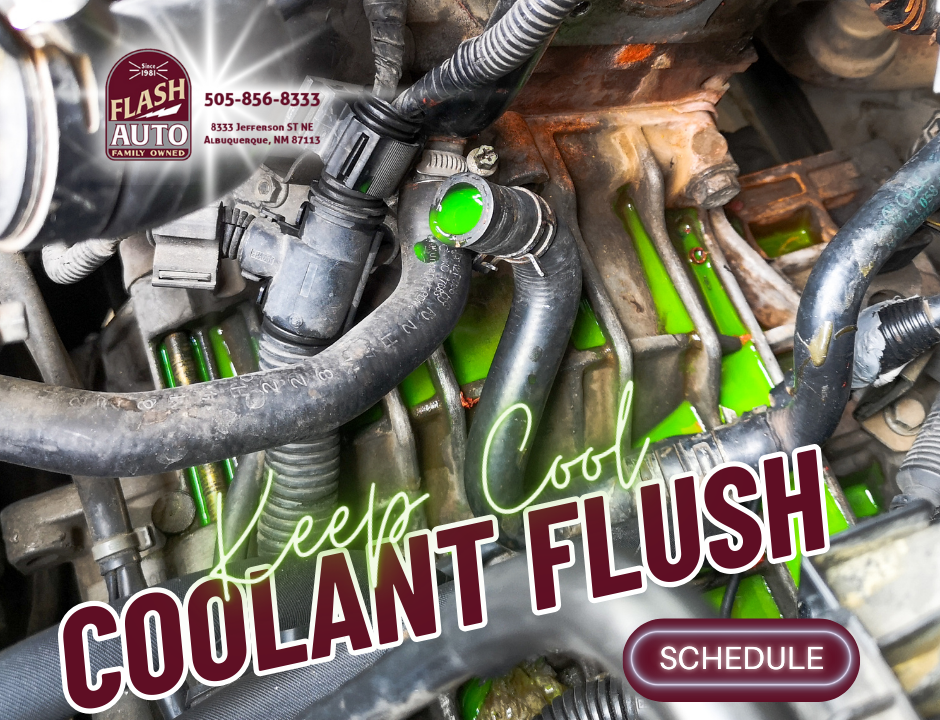
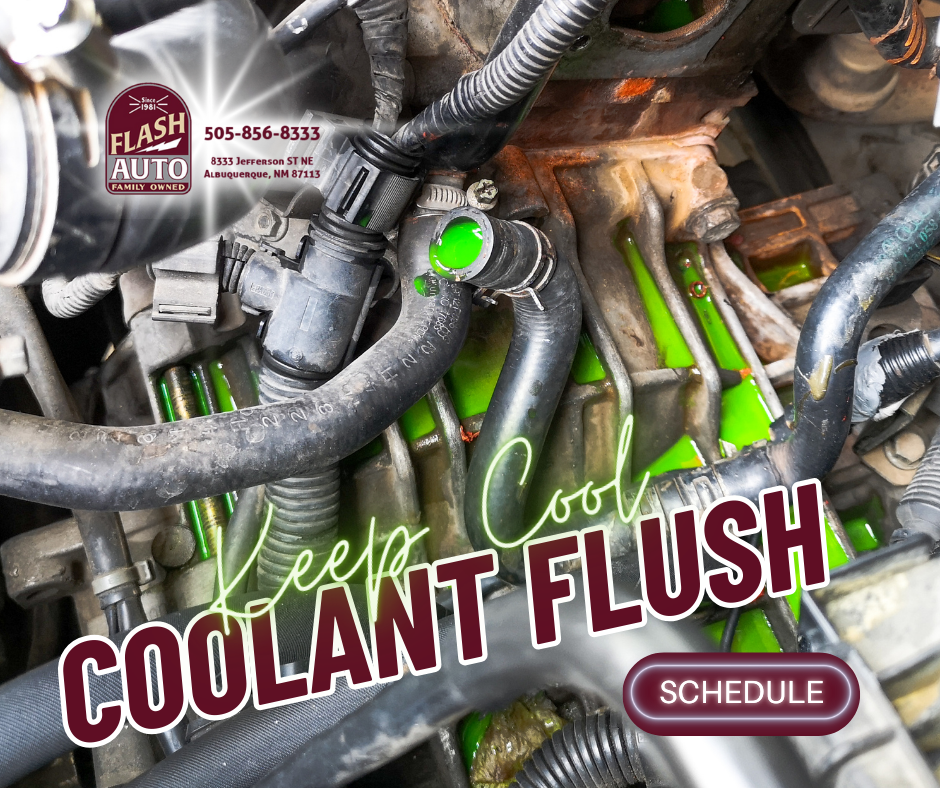
As spring temperatures climb, cooling systems transition from managing cold-weather warmup to handling increased heat loads. This makes spring the critical time to flush cooling systems, removing accumulated scale, rust, and contamination that impedes heat transfer. Fresh coolant ensures optimal thermal management and corrosion protection throughout the demanding summer months ahead.
Hoses and belts deserve careful inspection. Winter’s temperature extremes cause rubber compounds to harden and crack. A belt or hose that survived winter may be on the verge of failure as heat and vibration increase with warmer weather operation. Our technicians inspect all cooling system hoses for soft spots, cracks, and proper clamp tension, while checking belts for glazing, cracking, and proper tension.
Thermostat operation becomes increasingly important as temperatures rise. A thermostat stuck partially open may have gone unnoticed during winter (when overcooling causes minimal issues) but will result in poor performance and reduced efficiency as warm weather arrives. Conversely, a thermostat beginning to fail closed can cause overheating once summer heat arrives. Spring testing catches these issues early.
DEF Systems and Emissions Compliance
Modern diesel trucks and cars equipped with Selective Catalytic Reduction (SCR) systems rely on Diesel Exhaust Fluid (DEF) to meet emissions standards. DEF can crystallize and degrade with temperature cycling, and winter storage sometimes allows contamination. Spring provides an excellent opportunity to verify DEF quality, top off fluid levels, and ensure injector operation, preventing the “limp mode” power reductions that occur when DEF systems malfunction.
DEF freezes at 12°F, and while systems include heaters to manage this, the freeze-thaw cycling of New Mexico winters can affect fluid quality and system components. Our technicians verify proper DEF concentration (32.5% urea), inspect for contamination, and ensure injectors spray properly, maintaining both emissions compliance and optimal engine performance.
New Mexico-Specific Considerations
Albuquerque’s unique environment presents challenges that diesel truck and car owners in other regions don’t face. Our high altitude reduces air density, affecting turbocharger performance and combustion efficiency. The extreme diurnal temperature swings (spring days where morning lows reach freezing and afternoon highs touch 70°F) stress every system. Remote driving conditions mean breakdowns can quickly become dangerous situations.
Spring road trips often involve significant elevation changes, from Albuquerque’s 5,300-foot elevation to the mountains above 10,000 feet or desert areas below 4,000 feet. These altitude variations affect engine performance, cooling system pressure, and fuel system operation. Ensuring your diesel truck or car is properly maintained prevents the performance degradation and potential failures that altitude changes can trigger in marginal systems.
Dust storms, common in New Mexico’s spring months, can infiltrate even well-sealed systems. Fresh air filters protect against this environmental assault, while proper sealing of air intake systems prevents contamination. For diesel truck and car owners planning spring adventures (whether towing to camping destinations, hauling equipment to job sites, or simply enjoying New Mexico’s spectacular scenery) proper maintenance ensures your diesel vehicle performs reliably regardless of conditions.
Frequently Asked Questions
When should I schedule spring diesel maintenance for my truck or car?
Ideally, schedule your spring diesel service in late March or early April, before temperatures consistently warm and before embarking on spring road trips. This timing allows you to address winter damage before it worsens and ensures your diesel truck or car is ready for increased warm-weather driving demands.
Do I really need to change fuel filters every spring?
While manufacturer intervals vary, spring fuel filter replacement is highly recommended for diesel trucks and cars. The transition from winter to summer fuel blends at the pump often dislodges contamination, and any water that accumulated during winter can damage high-pressure fuel systems. The relatively low cost of fuel filter replacement is excellent insurance against expensive injector repairs.
How does altitude affect my diesel truck or car in New Mexico?
Albuquerque’s 5,312-foot elevation reduces air density by approximately 15-17% compared to sea level. This affects turbocharger performance, combustion efficiency, and power output. Well-maintained diesel trucks and cars compensate effectively, but marginal systems (particularly those with air intake restrictions or boost pressure issues) will show more pronounced performance degradation at altitude.
Can I use the same oil year-round in my diesel truck or car?
Modern synthetic diesel oils (particularly 5W-40 formulations) often work well year-round in New Mexico’s climate. However, your specific engine, driving conditions, and manufacturer recommendations should guide this decision. If you tow heavy loads, drive in extreme conditions, or operate an older diesel truck or car, seasonal oil changes may still be beneficial. Our technicians can recommend the best approach for your specific situation.
What are signs my diesel truck or car needs immediate spring service?
Warning signs include hard starting (especially on cool mornings), rough idle, excessive smoke (particularly white smoke), reduced power or acceleration, decreased fuel economy, unusual noises from the engine or turbocharger, cooling system leaks, or battery warning lights. Any of these symptoms warrant immediate professional inspection to prevent more serious damage.
How often should DEF be replaced in my diesel truck or car?
DEF doesn’t have a specific replacement interval. It’s consumed during normal operation and topped off as needed. However, DEF can degrade with temperature cycling and time. If your DEF has been in the tank through winter, consider having it tested for proper concentration. Always use fresh DEF from sealed containers and never allow contamination, as even small amounts of diesel fuel mixed with DEF can cause expensive system damage.
Trust Flash Auto for Expert Diesel Truck & Car Service
The winter-to-spring transition presents both challenges and opportunities for diesel truck and car owners. Proactive maintenance during this critical period prevents costly breakdowns, optimizes performance, and ensures your diesel vehicle delivers the reliability you depend on. At Flash Auto, our NAPA Gold AutoCare Center certification means our technicians receive ongoing training in the latest diesel technology, have access to premium NAPA parts, and follow industry-leading service procedures.
Whether you drive a modern diesel truck with advanced emissions controls or a classic diesel car, our team has the expertise, equipment, and commitment to quality that keeps your diesel vehicle running strong through every season. We understand New Mexico’s unique driving environment (from high altitude effects to extreme temperature swings to remote driving conditions) and we tailor our service recommendations to your specific needs and driving patterns.
Don’t wait for warning lights or performance problems to address your diesel truck or car’s spring maintenance needs. Schedule your spring diesel service today and experience the peace of mind that comes from knowing your diesel vehicle is properly prepared for the demands ahead. Your diesel truck or car works hard for you. Let Flash Auto’s expert technicians ensure it receives the care it deserves.
Schedule Your Spring Diesel Truck & Car Service Today
Flash Auto – NAPA Gold AutoCare Center
8333 Jefferson St NE, Albuquerque, NM 87113
Phone: 505-856-8333
Web: flashautoabq.com
Our NAPA-certified technicians specialize in diesel truck and car service. We’re ready to provide the expert diesel maintenance your vehicle needs for reliable spring and summer performance. Call today to schedule your appointment and keep your diesel truck or car running strong through every season.